
Description
Understanding Luck in Gambling
Luck is often described as a force that brings about good fortune, particularly in gambling scenarios where outcomes are uncertain. In casinos, players frequently attribute their wins to good luck, while losses are often rationalized as bad luck. This perception underscores the psychological aspect of gambling, where belief in luck can significantly affect a player’s experience and decisions. Many players explore options like australia online casino to increase their chances of hitting it big, hoping that their luck will change and lead to a jackpot.
Moreover, the role of luck creates an emotional rollercoaster for many gamblers. For instance, the thrill of a near miss might invigorate a player, prompting them to continue betting. Likewise, winning streaks can create a false sense of invincibility, where players feel that luck is on their side, leading to riskier bets. This interplay between luck and emotion is crucial in understanding gambling behavior and the influence it has on outcomes in a casino environment.
However, luck is inherently unpredictable. While some players may experience streaks of good fortune, the truth is that each outcome in games like slots, roulette, or blackjack is determined by chance and the specific odds associated with the game. Recognizing the limits of luck in gambling is vital for cultivating a responsible gaming mindset, as overreliance on luck can lead to irresponsible betting behavior and potential losses.
The Mathematical Perspective
From a mathematical standpoint, the outcomes of casino games are governed by probability and odds rather than luck. Each game has a predetermined house edge, which ensures that the casino maintains a profit over time. For example, in games like roulette, the presence of the green zero gives the casino an advantage, irrespective of any player’s perceived luck. Understanding the mathematics behind games can help players make more informed decisions, rather than relying solely on luck.
Additionally, statistical analysis reveals that in the long term, average results will reflect the mathematical probabilities. This means that while luck may influence short-term outcomes, over a large number of games, the results will align closely with expected probabilities. For instance, a player may win several hands of poker in a row due to lucky draws or favorable community cards, but statistically, these outcomes will normalize over time, emphasizing that luck is merely a transient factor.
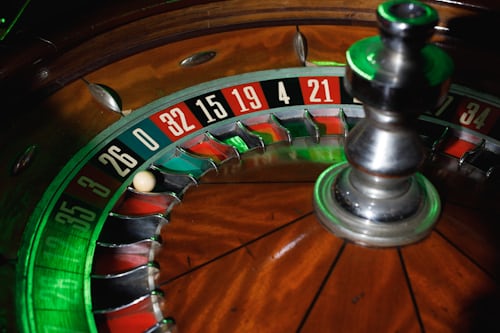
Therefore, the mathematical principles governing casino games underscore the importance of utilizing strategy and knowledge over reliance on luck. Players equipped with a solid understanding of game mechanics and odds are more likely to make better decisions, thereby enhancing their overall gaming experience and potentially improving their chances of winning, even if luck is not on their side.
The Illusion of Control
In many casino scenarios, players often feel a sense of control over their fate, which can lead to the illusion that luck is a tangible force they can influence. This psychological phenomenon, known as the illusion of control, can manifest when players engage in ritualistic behaviors or superstitions, such as wearing lucky clothing or employing specific betting methods. These behaviors stem from a desire to feel empowered in an environment that is fundamentally chance-based.
For example, a player might believe that certain table positions or specific seating arrangements will influence the outcome of a game. Although these beliefs can enhance the gaming experience by adding a sense of agency, they do not hold any grounding in reality. The mechanics of games operate independently of player actions, and while habits can provide personal comfort, they do not enhance the odds of winning. Recognizing and understanding the illusion of control is essential in helping players maintain a healthy relationship with gambling.
This concept further emphasizes the importance of emotional intelligence in gambling. Players who become overly attached to the notion of control are at risk of developing problematic gambling behaviors, often leading to increased betting or chasing losses, fueled by the hope of regaining lost stakes. Therefore, fostering awareness of psychological biases is critical for promoting responsible gaming practices and ensuring an enjoyable casino experience without the detrimental effects of betting based on misguided beliefs of luck and control.
Strategies to Enhance Outcomes
While luck plays a role in gambling, players can adopt various strategies to enhance their potential outcomes. Understanding the rules, odds, and optimal playing strategies for different games can significantly improve the chances of success. For instance, in blackjack, knowing when to hit, stand, or double down based on the dealer’s visible card can inform better decision-making, ultimately leading to improved odds of winning, even if luck is not entirely in one’s favor.

Additionally, bankroll management is another crucial strategy. Setting limits on spending and sticking to a budget helps players avoid the pitfalls of emotional betting and chasing losses. By controlling finances, players can mitigate the impact of losses and enjoy their gaming experience without excessive pressure. This disciplined approach emphasizes the importance of strategic planning over the whims of chance.
Lastly, it’s essential for players to recognize when it’s time to take a break. Engaging in frequent self-reflection about one’s gambling habits can lead to more responsible behavior. Players who understand that luck varies and doesn’t guarantee continued success are better equipped to maintain a healthy perspective on gaming, ultimately enhancing their overall experience at the casino.
Conclusion: The Role of Luck vs. Strategy in Casinos
In conclusion, while luck undeniably influences outcomes in casinos, its role is often overstated. A thorough understanding of game mechanics, mathematical probabilities, and strategic approaches can significantly improve a player’s potential for success. Relying solely on luck can lead to erratic decision-making and regrettable financial consequences, whereas a balanced approach that integrates informed strategies can create a more enjoyable experience.
Furthermore, recognizing the psychological aspects of gambling, such as the illusion of control, is essential in addressing problematic behaviors in gambling. By fostering awareness of these factors, players can develop responsible gambling practices that allow them to enjoy the thrill of the casino while minimizing risks associated with over-reliance on luck.
Ultimately, while luck may provide occasional wins, it is the strategies and knowledge players apply that will yield sustainable and enjoyable outcomes in the long run. Whether you are a seasoned player or new to the casino world, understanding the interactions between luck and skill can enrich your gaming experience and empower you to make wiser choices at the tables.
