
Description
The Thrill of Risk and Reward
The allure of casino games largely stems from the inherent thrill of risk and reward. Players are often drawn to the prospect of winning significant sums of money, which can create a rush of adrenaline. This psychological response is often compared to gambling, as it evokes a sense of anticipation and excitement. The brain releases dopamine, a neurotransmitter associated with pleasure and reward, upon experiencing these risks, especially when playing at a fast withdrawal casino uk that enhances the experience. This reaction reinforces the desire to engage in more gambling, perpetuating a cycle of play and reward that can be difficult to break. The excitement of potentially winning big fuels the fire of engagement, making it an addictive pursuit for many.
Moreover, the structure of casino games is expertly designed to maximize this thrill. Game mechanics often include near-misses that create an illusion of increased chances of winning, driving players to continue. For example, slot machines frequently utilize this design to keep players engaged, as they may feel they are just one spin away from hitting the jackpot. This manipulation of psychology ensures that players remain invested in the outcome, even when statistically, their chances of winning are quite low. The excitement generated by these near-wins can lead to prolonged play, as players feel a sense of hope that they are on the verge of a major win.
This interplay between risk and reward not only fuels individual behavior but also reflects broader societal attitudes towards luck and chance. The normalization of gambling in various cultures can amplify this phenomenon. Many individuals view gambling as entertainment rather than a potential financial risk, which further influences their behavior in casinos. By understanding these dynamics, one can gain insight into why players are often willing to risk significant amounts of money for the possibility of a rewarding outcome. The cultural perception of gambling as a legitimate pastime encourages continuous participation, reinforcing the thrill-seeking behavior that characterizes many casino-goers.
The Role of Cognitive Biases
Cognitive biases play a crucial role in shaping how players perceive their chances of winning in casino games. One prevalent cognitive bias is the “gambler’s fallacy,” where individuals mistakenly believe that past outcomes influence future probabilities. For example, if a roulette wheel has landed on black multiple times in a row, a player may believe that red is “due” to come up. This misjudgment can lead to irrational betting patterns, as players chase perceived streaks that do not exist. Such biases distort reality, leading players to make decisions based on flawed reasoning rather than statistical probabilities.
Additionally, the illusion of control can heavily influence player behavior. Many players believe they can affect the outcome of a game through their actions, such as choosing specific numbers or adjusting betting strategies. This belief can provide a false sense of empowerment, encouraging players to take risks they might otherwise avoid. For instance, players might think that their choice of a particular slot machine or strategy can sway the odds in their favor. The reality is that games of chance are designed to be random, yet the perception of control can lead players to engage more frequently and with larger bets, often compounding their losses.
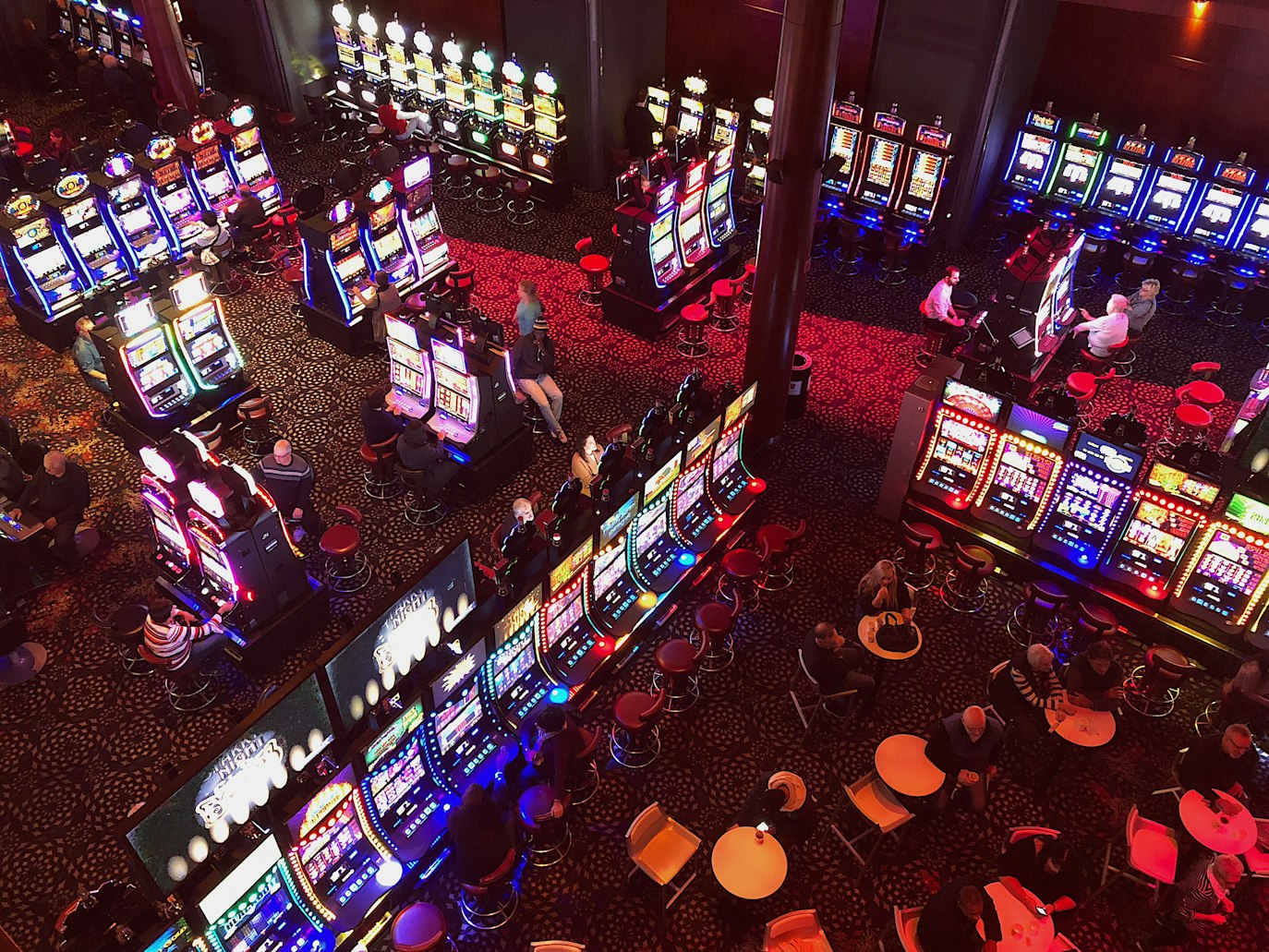
Understanding these cognitive biases illuminates why players might continue to gamble despite previous losses. Many may rationalize their actions through these biases, convincing themselves that they are more skilled or lucky than they actually are. This can result in a vicious cycle of play as players chase losses or attempt to validate their belief in their own abilities, often leading to financial setbacks and emotional distress. Recognizing these patterns is essential for fostering a healthier approach to gambling, as awareness can lead to more rational decision-making and less impulsive behavior.
The Social Environment of Casinos
The social dynamics within casinos also significantly affect player behavior and psychology. Casinos are designed to be vibrant, stimulating environments that encourage interaction among players. The presence of fellow gamblers can create a sense of camaraderie and excitement, enhancing the overall experience. This social aspect can lead to increased gambling behavior, as people often feel compelled to continue playing when surrounded by others who are engaged in the same activity. The shared experience can amplify individual emotions, making wins feel more significant and losses less impactful when experienced as part of a group.
Moreover, social norms within these environments can influence individual decision-making. Observing others celebrating wins or sharing strategies can elicit a fear of missing out, leading to impulsive betting and risky behavior. For instance, when players see someone win a significant jackpot, it can motivate them to raise their own stakes, driven by the belief that they too might achieve a similar outcome. This behavior is reinforced by the social validation that comes from being part of a group that shares the same thrill, creating a cycle of excitement that can be hard to resist.
However, the social environment also has its downsides. The pressure to conform can drive individuals to gamble more than they would alone, often leading to excessive play. Additionally, the noise, bright lights, and tantalizing scents created by casinos further heighten this social experience, often leading to impulsive decisions that prioritize immediate gratification over careful consideration. Understanding these social influences is vital for recognizing the factors that contribute to gambling behavior in casinos, as it highlights the need for personal accountability amidst the collective excitement.
The Impact of Emotional States
Emotions play a pivotal role in influencing gambling behavior, often leading individuals to make irrational decisions. Many players experience heightened emotions during their time in casinos, whether it be excitement over potential winnings or frustration from losses. These emotions can cloud judgment, making it difficult for players to engage in rational decision-making. For instance, a player who has just lost several consecutive bets might chase their losses, leading to even larger bets in hopes of recouping their losses. This emotional reaction can create a dangerous cycle where emotions drive behavior rather than logic.

Conversely, positive emotions can fuel a sense of invincibility, prompting players to take risks they might not normally consider. Winning can create a “high” that encourages further play, often leading to the misconception that winning streaks will continue. This emotional rollercoaster is integral to the gambling experience, as it can significantly impact how players interact with games and with one another. The thrill of winning can overshadow the reality of losses, leading to a distorted view of one’s gambling experiences.
Recognizing the emotional triggers that influence gambling behavior can be essential for both players and casino operators. By understanding how emotions can dictate actions, players can develop strategies to manage their feelings while gambling. This awareness can promote responsible gambling practices and help mitigate some of the negative consequences associated with excessive play, fostering a healthier relationship with the gaming environment. Emotional intelligence in gambling can be a powerful tool for maintaining balance and discipline.
Responsible Gaming and Player Awareness
In light of the psychological aspects influencing player behavior, fostering an awareness of responsible gaming is essential. As casinos increasingly acknowledge their role in promoting a safe gaming environment, they are implementing measures to educate players about the risks associated with gambling. This includes providing resources for understanding the psychological triggers that can lead to problematic gambling behaviors, allowing players to make more informed decisions. Educational initiatives are vital in creating a culture of awareness that prioritizes player safety and well-being.
Encouraging player education is crucial in addressing the psychological underpinnings of gambling. Many casinos now offer workshops and informational brochures that discuss the importance of recognizing cognitive biases, emotional triggers, and the impact of social environments. By empowering players with knowledge, it is possible to reduce the likelihood of developing harmful gambling habits and promote a culture of responsible gaming. These efforts not only enhance individual player experiences but also contribute positively to the overall casino environment.
Ultimately, creating an environment that prioritizes player well-being can benefit both players and the casino industry as a whole. By proactively addressing the psychological components of gambling and fostering responsible behavior, casinos can help cultivate a more sustainable and enjoyable experience for everyone involved. This approach not only enhances the reputation of the casino but also contributes to the overall health of the gambling community. Emphasizing responsible gaming practices can lead to a more conscientious approach to gambling, ensuring that it remains an entertaining activity rather than a source of distress.
